Choose one primary pull
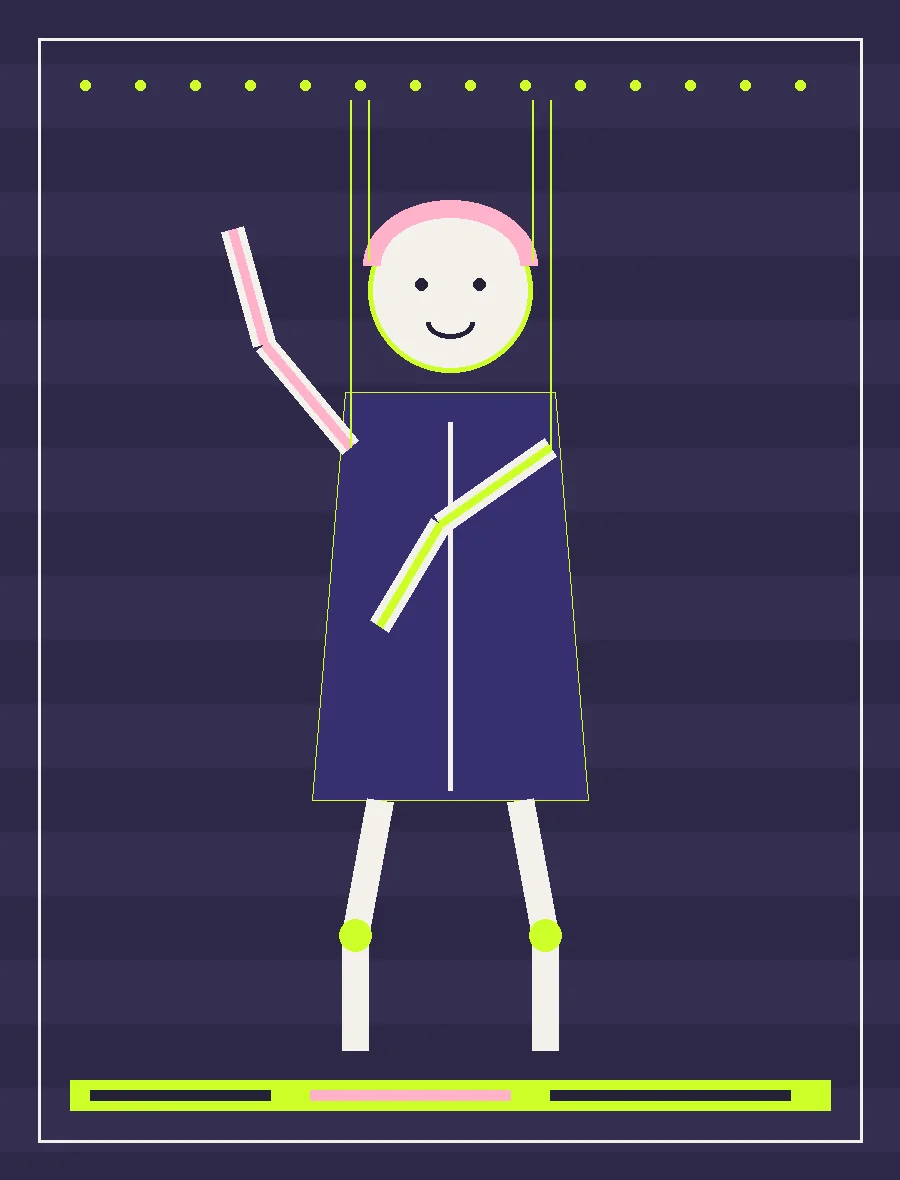
Give the body a clear internal direction: toward a person, away from a sound, down into a secret, up to an idea. A rig becomes easier to pose when its centre has a reason to lean.
ACT 01 Maker-room field guide
A practical set of notes for shaping animated puppets: readable poses, dependable controls, elastic timing and scenes that leave room for a performer’s choice.
ACT 02 Before the joints
The first useful question is not “What can this control do?” It is “What does this character protect, pursue or postpone?”
Give the body a clear internal direction: toward a person, away from a sound, down into a secret, up to an idea. A rig becomes easier to pose when its centre has a reason to lean.
Locate the area that resists change: a proud chest, a guarded shoulder, a planted heel, a fixed gaze. This pressure point lets a pose feel intentional rather than merely asymmetrical.
Every stretch, tilt and reach needs a credible route back. Leave a return pose in the scene, then allow the character to arrive there late, early or slightly wrong as the moment demands.
ACT 03 Pose lab
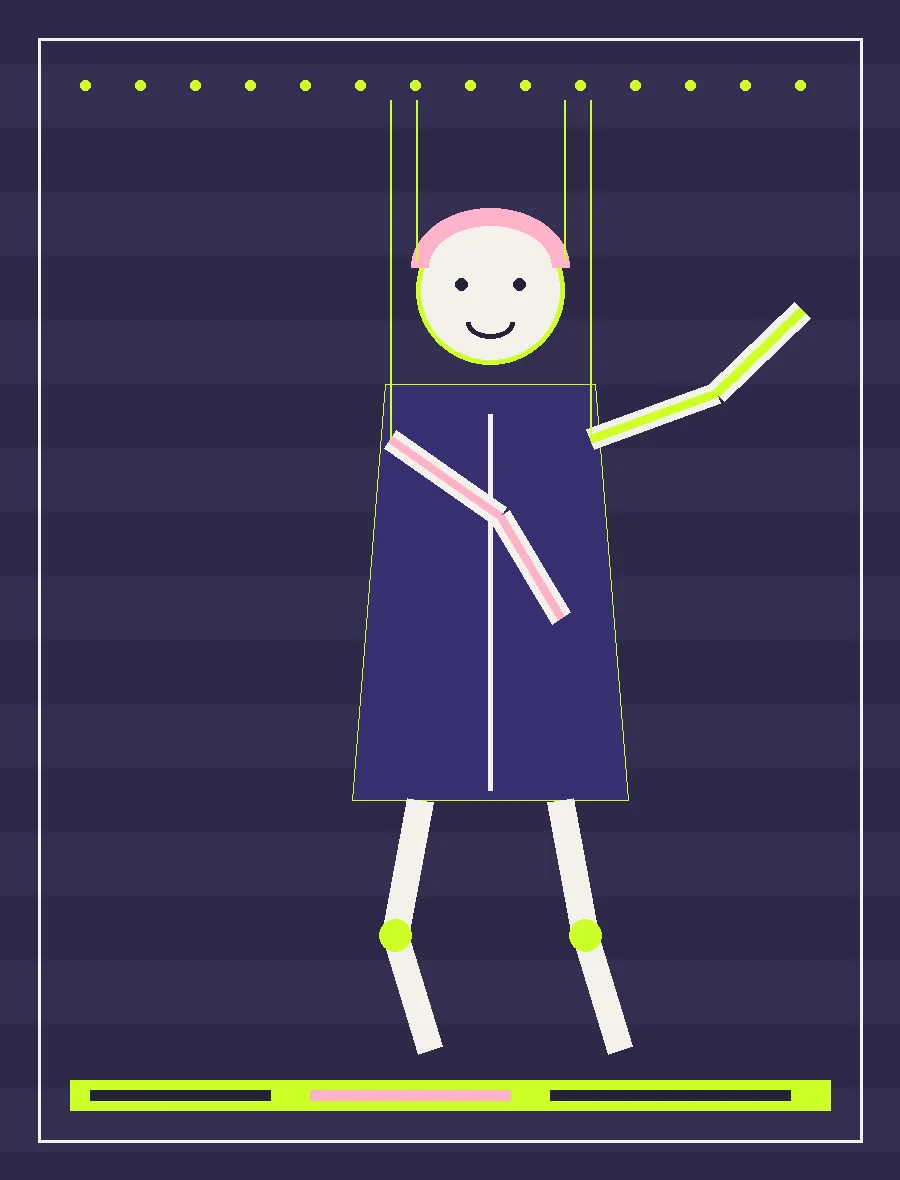
Swap the same puppet through contrasting movement instructions. The tabs reveal different rig priorities rather than “correct” poses.
WEIGHT / DEFAULT
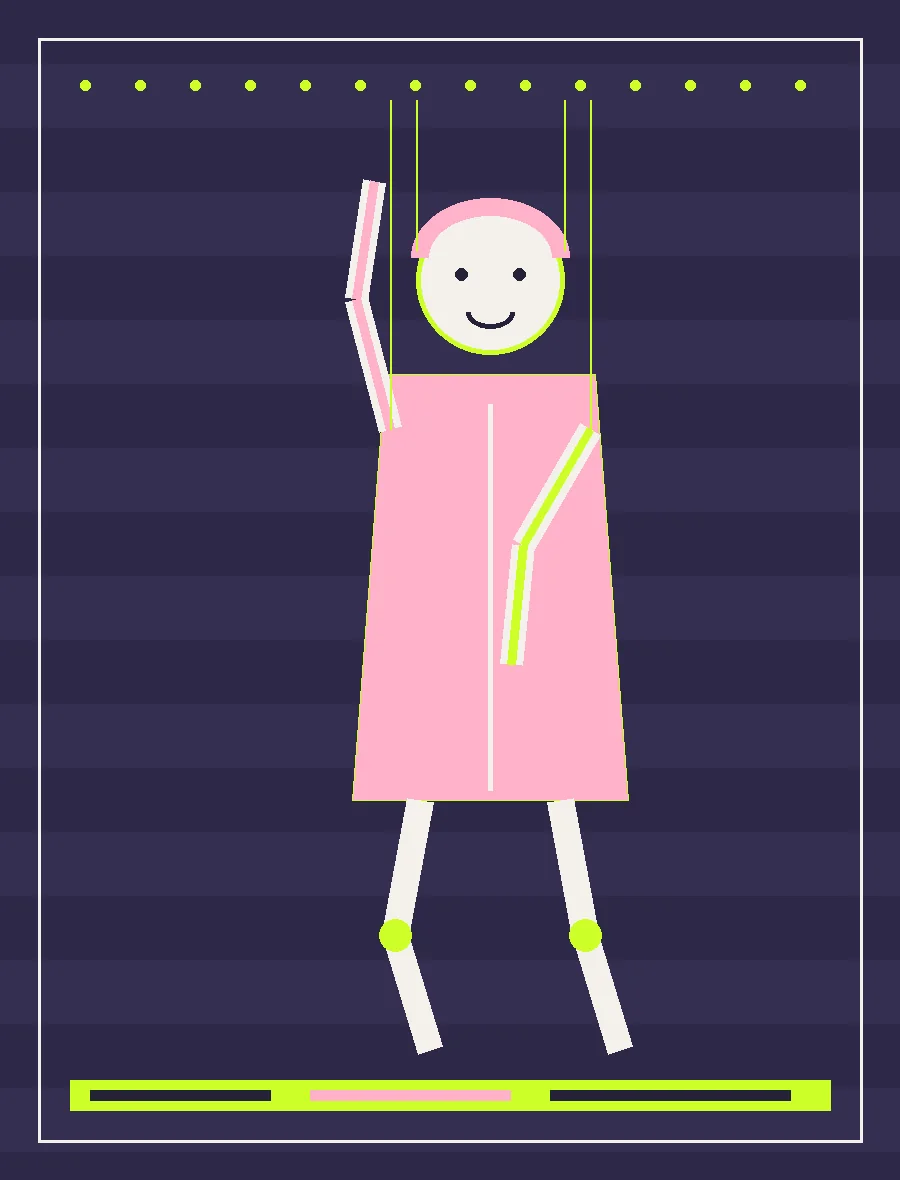
Set the hips over the supporting foot first. The ribs can disagree later. A reliable weight pose tells us which limb is available, where friction lives and how much stillness the next action can carry.
GLANCE / DELAY
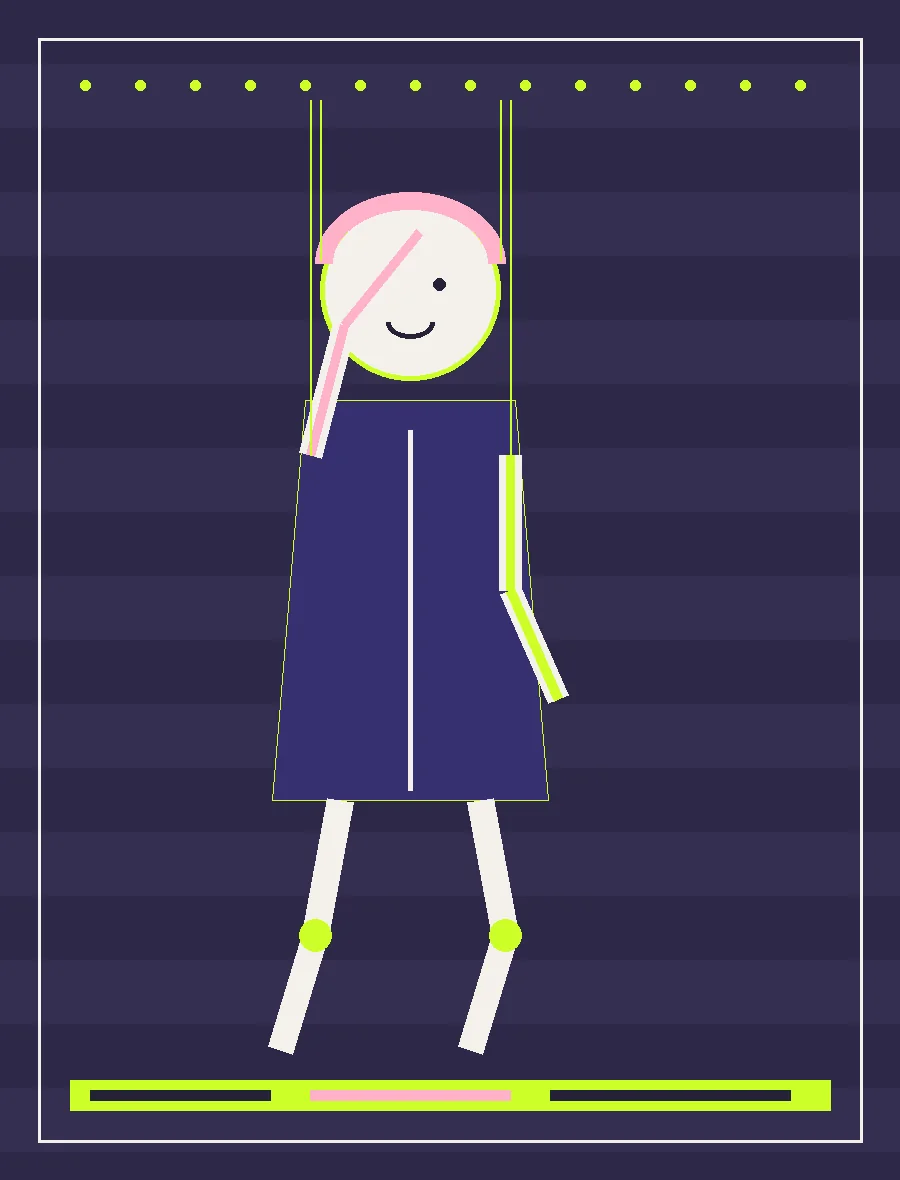
A glance is often more useful when the eye line or face target changes before the neck commits. Keep the torso doing its previous job, then let the head arrive as a small confession of attention.
RECOIL / CONSEQUENCE
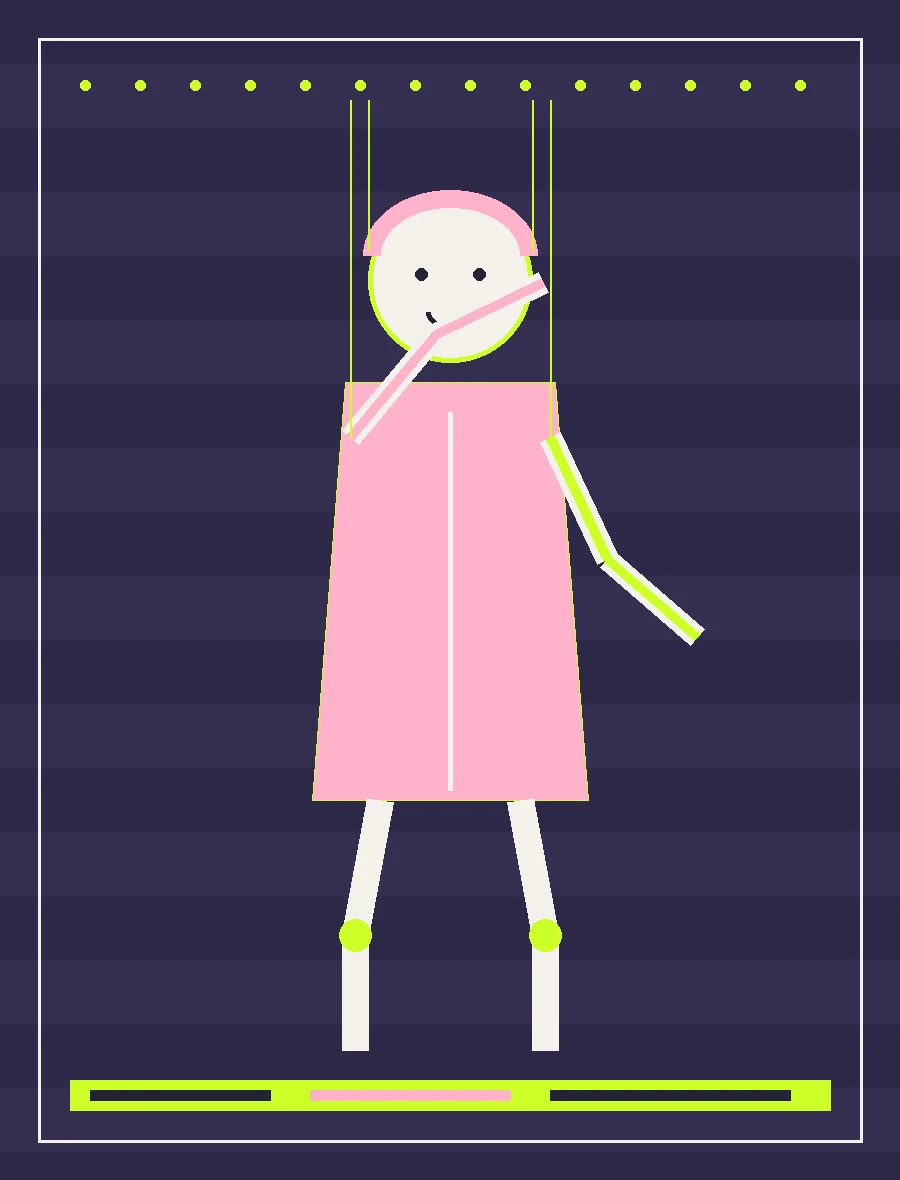
A recoil does not have to be large. The key is a legible order: contact, resistance, transmission and a choice about recovery. Give the torso a fraction longer than the hand and the result gains an aftertaste.
ACT 04 Rig room
A rig is a negotiation surface. Make routine decisions easy, visible and reversible; reserve complexity for work that truly needs it.
Eye direction, eyelid design and face volume often want different timing. Independent controls keep a watchful face from becoming a busy face.
Keep primary limb and body controls readable at a distance. Secondary detail can live closer, but a quick posing pass should not require hunting through a forest of helpers.
Neutral is not failure. Save a known, inspectable rest state and make it possible to return there without erasing the useful evidence of what happened.
ACT 05 Small principles, tall consequences
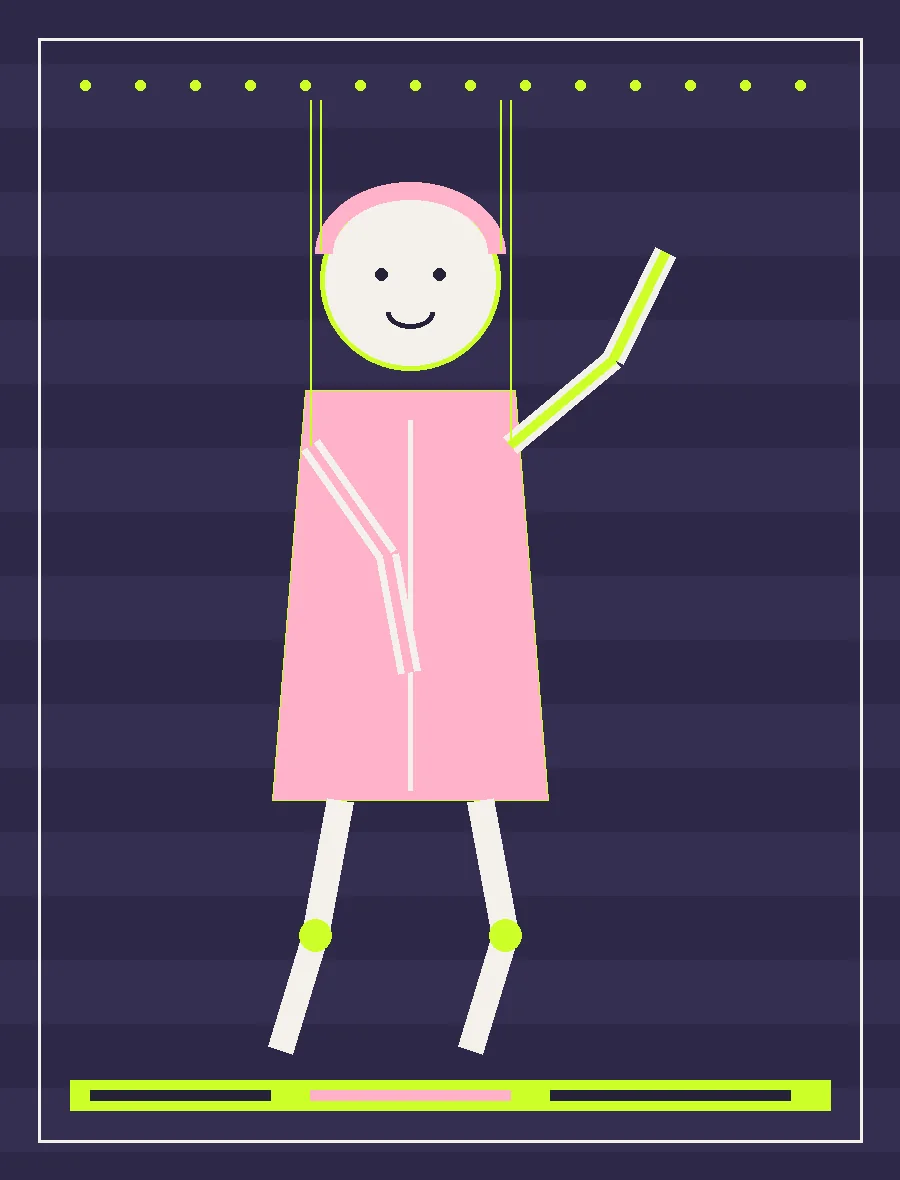
NEAR
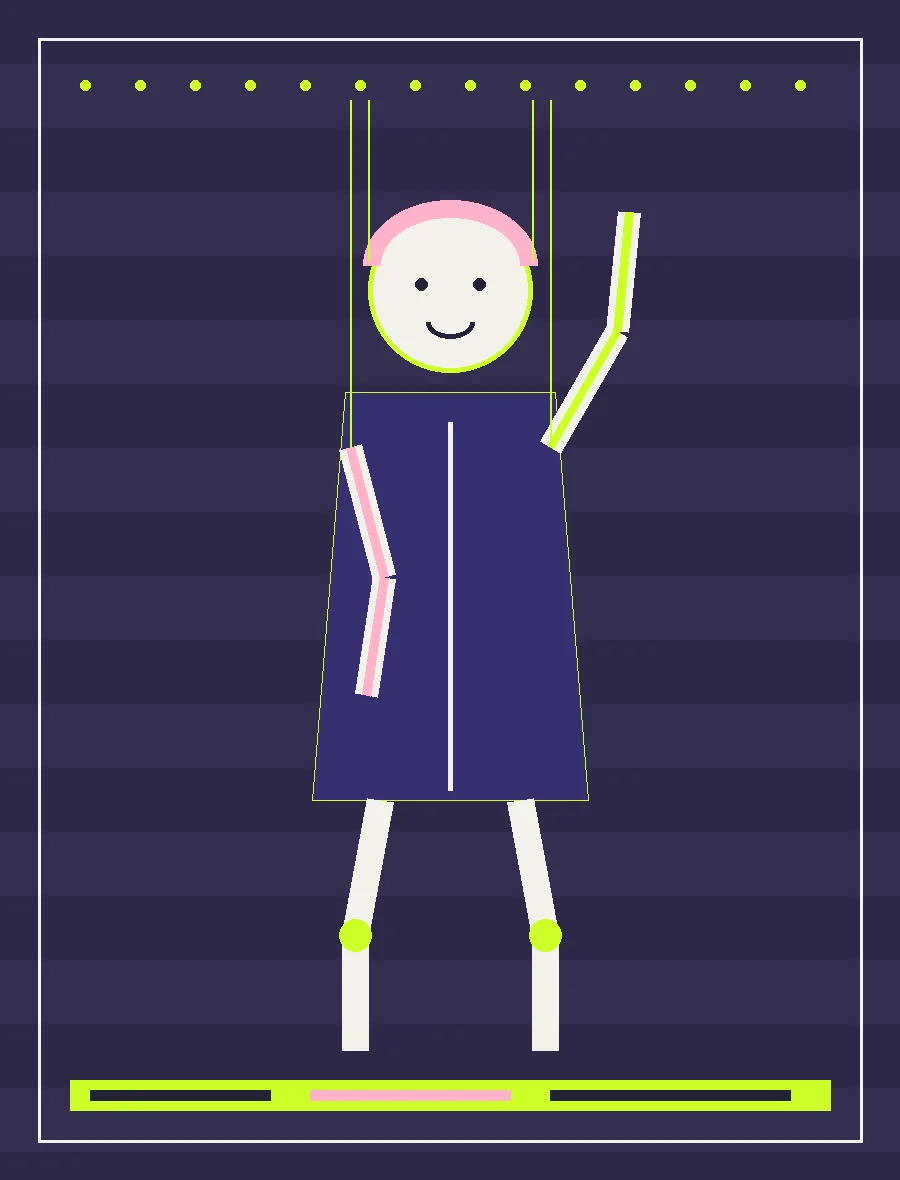
MID
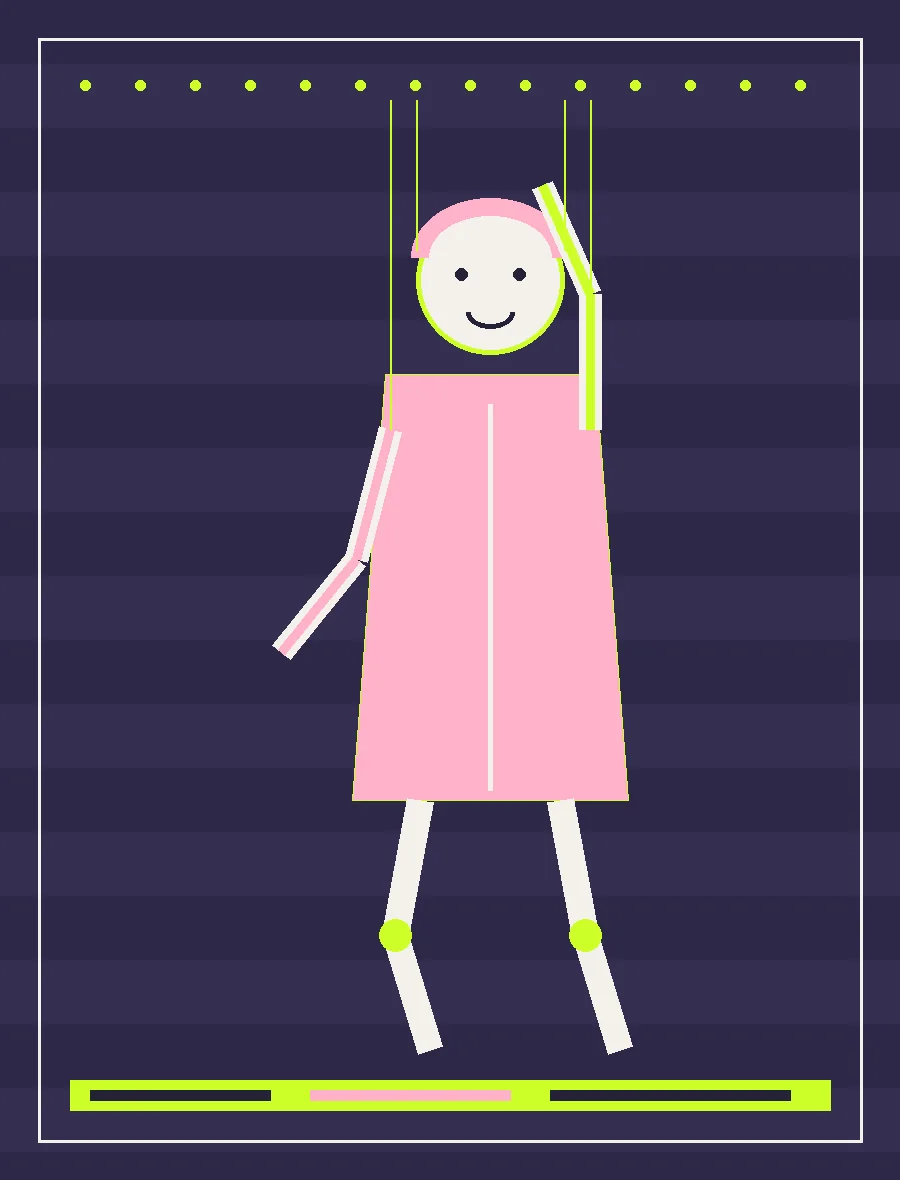
FAR
ACT 06 Timing ledger
ACT 07 Desk-side check
This list stays in this browser only. Tick the checks that help your current scene, watch the count, and clear it when you begin another pass.
ACT 08 Observation pocket
When observing movement, note the sequence of commitments: a foot finds the floor, a shoulder decides whether to follow, eyes check the consequence. These relationships travel well into stylised characters because they describe attention and load, not a particular person’s appearance.
“Keep a note of what changes first, and what refuses to change.”
ACT 09 Handoff board
One sentence about what the character is deciding gives a reviewer a way to read the choices.
Name special spaces, switch points and expected ranges directly where they will be found.
Include a still reference for the default pose, especially if the model has intentional asymmetry.
Notes about stretching, collision or intended cheat angles let the next person use the rig with care.
ACT 10 Questions at the workbench
Open a question when it is the one you need; the accordion is powered locally by Bootstrap.
ACT 11 Leave a note
This form does not transmit or store anything. It only prepares a browser-local draft addressed to [email protected].